
Crypto wealth creation reached a historic peak in 2025, as blockchain pioneers and bold newcomers reshaped global finance.
Consequently, the crypto billionaires list now blends technologists, financiers, and cultural figures.
Notably, Donald Trump joined long-standing industry leaders, signaling crypto’s expanding influence beyond traditional boundaries.Initially, cryptocurrencies rewarded early believers willing to absorb extreme risk.
Over time, however, infrastructure builders and platform operators captured the greatest value. As a result, exchanges, stablecoins, and core protocols now dominate billionaire portfolios. In 2025, this exclusive group reflects innovation, timing, and relentless execution.Moreover, their stories reveal how digital assets continue to redefine modern wealth.
Donald Trump – $6 Billion – $TRUMP
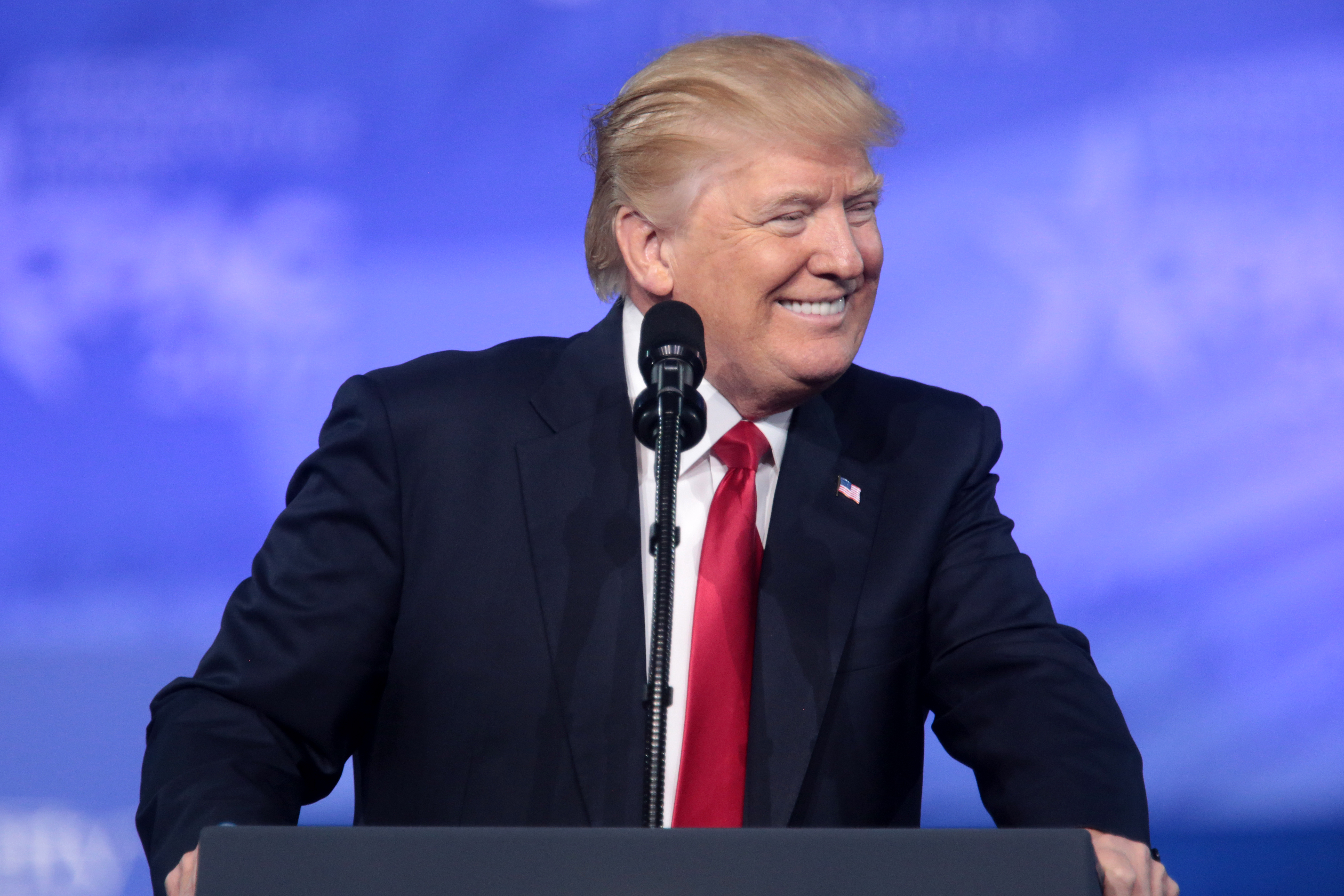 Donald Trump emerged as the most unconventional entrant on the crypto billionaire list. First, he monetized digital collectibles through branded NFT releases. Subsequently, he launched the $TRUMP token, linking political identity with blockchain speculation.
Although critics question long-term sustainability, early demand drove substantial valuations. Meanwhile, supporters praised the strategy’s marketing precision and cultural impact. Ultimately, Trump’s success illustrates how fame can accelerate crypto wealth creation.
Changpeng “CZ” Zhao – $65.2 Billion – Binance Coin (BNB)
 Changpeng Zhao remains the wealthiest figure in crypto history.
After founding Binance in 2017, he scaled it into the world’s largest exchange. Importantly, Binance Coin powered trading, fees, and ecosystem growth.
Despite intense regulatory pressure, Binance adapted across jurisdictions. Consequently, Zhao preserved market leadership and investor confidence. His journey underscores operational speed and global vision.
Giancarlo Devasini – $22.4 Billion – Bitcoin (BTC)
 Giancarlo Devasini built immense wealth through Bitcoin and Tether.
Originally a medical professional, he pivoted into crypto finance with precision.Under his stewardship, Tether became crypto’s most dominant stablecoin.
Although scrutiny followed reserve transparency, usage continued expanding. Therefore, Devasini’s influence remains central to market liquidity. His rise reflects finance-driven power within decentralized systems.
Brian Armstrong – $12.7 Billion – Ethereum (ETH)
 Brian Armstrong transformed Coinbase into America’s leading crypto exchange. By emphasizing compliance, he attracted institutions and retail investors alike. As Ethereum adoption surged, Coinbase revenues followed.
Furthermore, Armstrong actively engaged regulators to shape future policy. Thus, he bridged traditional finance and decentralized innovation. His approach highlights credibility as a growth catalyst.
Jean-Louis van der Velde – $9.5 Billion – Bitcoin (BTC)

As CEO of Tether and Bitfinex, he supported massive trading flows.
Bitcoin appreciation amplified his long-term holdings.
Although he avoids public attention, his operational role proves critical.
Accordingly, stability often depends on unseen leadership.
Paolo Ardoino – $9.5 Billion – Tether (USDT)
 Paolo Ardoino strengthened Tether’s technical backbone.
As CTO, he focused on scalability, security, and uptime.
Meanwhile, he promoted greater transparency amid regulatory demands.
Because stablecoins underpin daily trading, Ardoino’s work carries systemic importance. Thus, engineering excellence directly translated into immense wealth.
Michael Saylor – $9.4 Billion – Bitcoin (BTC)
 Michael Saylor placed an unprecedented corporate bet on Bitcoin.
He redirected MicroStrategy’s balance sheet toward long-term accumulation. Since then, rising prices validated his conviction.
Nevertheless, critics warn of volatility exposure. Still, Saylor’s advocacy accelerated institutional adoption worldwide. His strategy reshaped corporate treasury management.
Justin Sun – $8.5 Billion – TRON (TRX)
 Justin Sun combined aggressive marketing with early infrastructure bets. After launching TRON, he acquired major crypto platforms.
Despite controversies, his asset portfolio expanded rapidly.
Consequently, Sun remains one of crypto’s most polarizing figures.
Yet, his deal-making secured lasting relevance.
Chris Larsen – $7.5 Billion – XRP (Ripple)
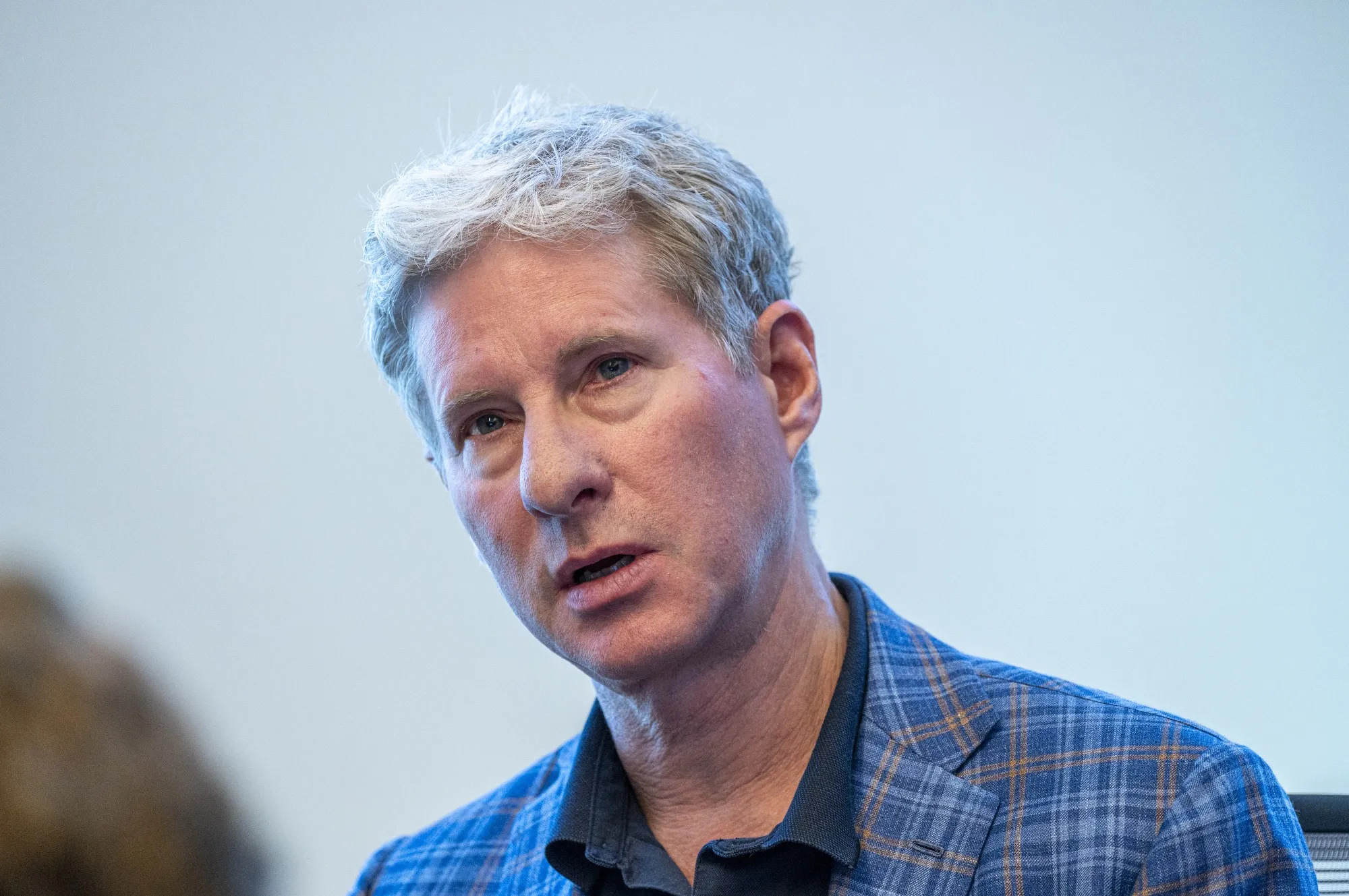 Chris Larsen focused on enterprise blockchain adoption.
Through Ripple, he targeted cross-border payments and banks.
Despite regulatory battles, XRP retained global usage.
Additionally, Larsen supported philanthropy using crypto assets.
His legacy blends fintech ambition with social impact.
The Winklevoss Twins – $3.7 Billion – Bitcoin (BTC)
 Cameron and Tyler Winklevoss invested early in Bitcoin.
Later, they founded Gemini, emphasizing security and compliance.
Their disciplined approach earned institutional trust.
Over time, patience rewarded their long-term holdings.
Thus, early conviction proved decisive.
Fred Ehrsam – $3.4 Billion – Ethereum (ETH)
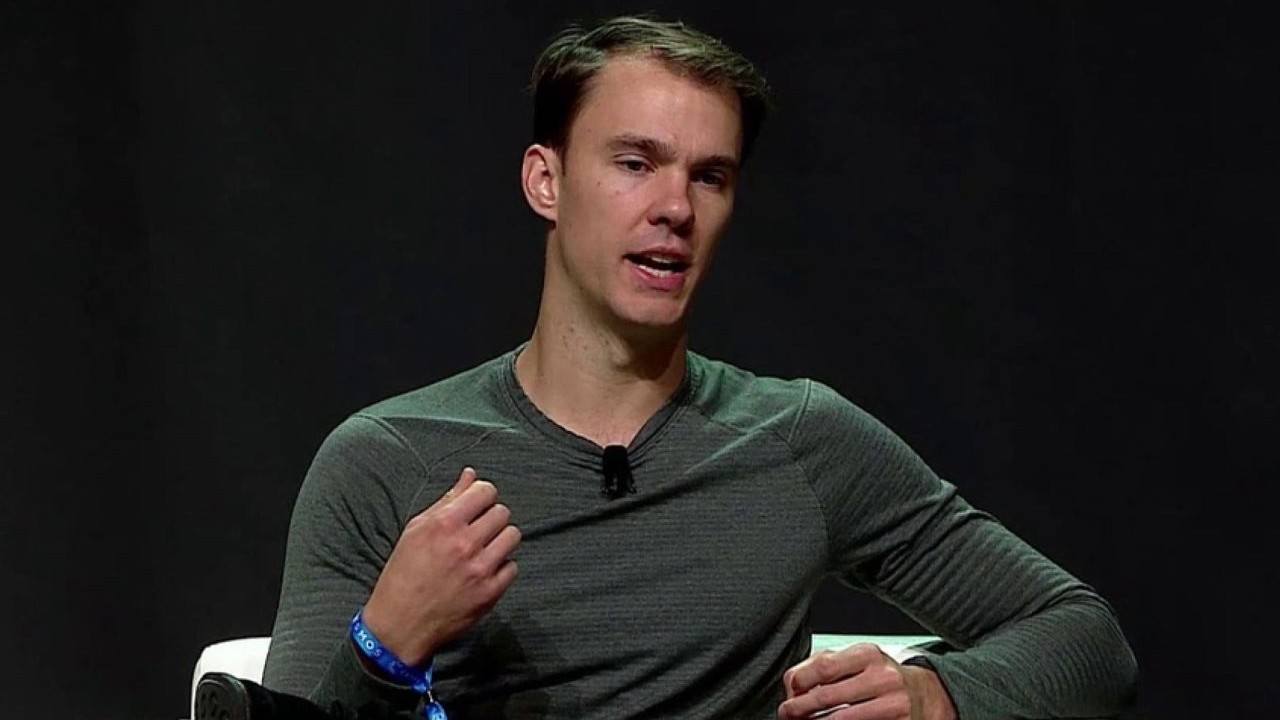 Fred Ehrsam co-founded Coinbase and later launched Paradigm.
Through strategic investments, he shaped Web3’s growth.
His influence extends beyond personal wealth.
Matthew Roszak – $2.5 Billion – Bitcoin (BTC)
 Matthew Roszak championed early Bitcoin adoption.
Through Bloq and Tally Capital, he funded key startups.
Accordingly, he helped bring blockchain into the mainstream.
Closing Perspective
Crypto billionaires exemplify calculated risk and visionary thinking.
From Trump’s cultural leverage to Zhao’s global infrastructure, each path differs. Yet, all reflect blockchain’s power to reshape wealth in a volatile digital economy.
Make money without lifting your fingers: Start using a world-class auto trading solution
- Broker
- Min Deposit
- Score
- Visit Broker

- Award-winning Cryptocurrency trading platform
- $100 minimum deposit,
- FCA & Cysec regulated

- 20% welcome bonus of upto $10,000
- Minimum deposit $100
- Verify your account before the bonus is credited


- Fund Moneta Markets account with a minimum of $250
- Opt in using the form to claim your 50% deposit bonus