Steady decision-making is the rarest advantage in investing. When markets turn volatile, fear accelerates faster than facts, and confidence disappears long before capital does. As a result, many investors abandon discipline precisely when it matters most. Yet history shows that wealth is rarely built through urgency—it is built through composure.
Although conditions can change quickly, the principles that govern successful investing remain remarkably stable. Therefore, during periods of uncertainty, the most effective response is not prediction, but structure.
This article outlines a Steady Thinking framework—a practical approach for navigating market stress without surrendering control.
 Steady Perspective: History Before Headlines
Steady investors begin with context. Every market decline feels unique while it is happening, yet every decline echoes familiar patterns. Bubbles inflate, confidence peaks, leverage spreads, and fear eventually replaces optimism.
Consequently, studying financial history is not academic—it is protective. By understanding past recessions, crashes, and recoveries, investors recognize that volatility is not failure; it is a recurring feature of markets driven by human psychology.
 Steady Awareness: Follow Long-Term Direction
Next, steady thinking shifts attention away from daily news and toward structural change. Headlines react; trends persist.
Automation, artificial intelligence, energy transformation, biotechnology, and data infrastructure are not temporary narratives. Instead, they represent long-term responses to economic and societal demand. Therefore, investors who align with enduring trends reduce dependence on short-term sentiment.
 Steady Growth: Favor Exponential Progress
Steady capital flows toward industries where progress compounds. Historically, sectors experiencing sustained efficiency gains produce outsized returns over time.
However, discipline remains critical. Not every fast-growing narrative produces value. Steady investors separate genuine innovation from speculation and focus on businesses capable of converting progress into durable revenue and profitability.
 Steady Evidence: Replace Emotion With Data
At the same time, steady thinking relies on evidence. Markets appear chaotic, but behavior often follows measurable probabilities.
With modern analytical tools now widely available, investors can test assumptions, study historical patterns, and evaluate risk objectively. As a result, data becomes an anchor when emotions attempt to take control.
 Steady Discipline: Ignore the News Cycle
Importantly, steady investors do not trade headlines. By the time information reaches mainstream media, it has already influenced price.
Instead of reacting, steady thinkers prepare. They build conviction before volatility appears, allowing decisions to be deliberate rather than defensive.
 Steady Advantage: Know Where You Do—and Don’t—Compete
Equally essential is humility. In widely followed markets, individual investors rarely possess an edge. Large institutions deploy scale, speed, and influence that cannot be matched.
Therefore, steady advantage often exists in overlooked areas—mispriced fear, neglected companies, or complexity others avoid. Opportunity frequently hides where attention is absent.
 Steady Opportunity: Analyze Sharp Declines Carefully
When stocks collapse, emotion often overwhelms analysis. Yet not all declines reflect permanent damage. Sometimes, minor disappointments trigger disproportionate selling.
Steady investors slow down. They ask whether fundamentals changed or whether fear simply accelerated price movement. When perception disconnects from reality, opportunity emerges.
 Steady Focus: Look Beyond Market Giants
Meanwhile, smaller companies often remain outside institutional focus. Without analyst coverage or index inclusion, inefficiencies can persist longer.
However, steady investing demands selectivity. Deep research, transparent leadership, and zero tolerance for red flags are mandatory. Growth without integrity is not an investment—it is a liability.
 Steady Control: Position Size Protects Patience
Counterintuitively, investing smaller amounts often improves outcomes. When emotional exposure decreases, patience increases.
As a result, steady investors hold winning positions longer, avoid impulsive exits, and make clearer decisions under pressure. Position sizing becomes a behavioral advantage.
 Steady Structure: Redefine Diversification
Traditional diversification—owning different large assets—is no longer sufficient. Many investments now move together during stress.
True diversification requires strategies that respond differently across economic environments. Therefore, steady portfolios are built for independence, not appearance.
 Steady Restraint: Master Intentional Inaction
Often, the most disciplined move is to do nothing. Overtrading magnifies mistakes and erodes returns.
Steady investors monitor the underlying thesis, not daily price movement. If the story breaks, they exit. If it holds, they wait. Inaction, when deliberate, becomes a strategic choice.
 Steady Time Horizon: Let Compounding Work
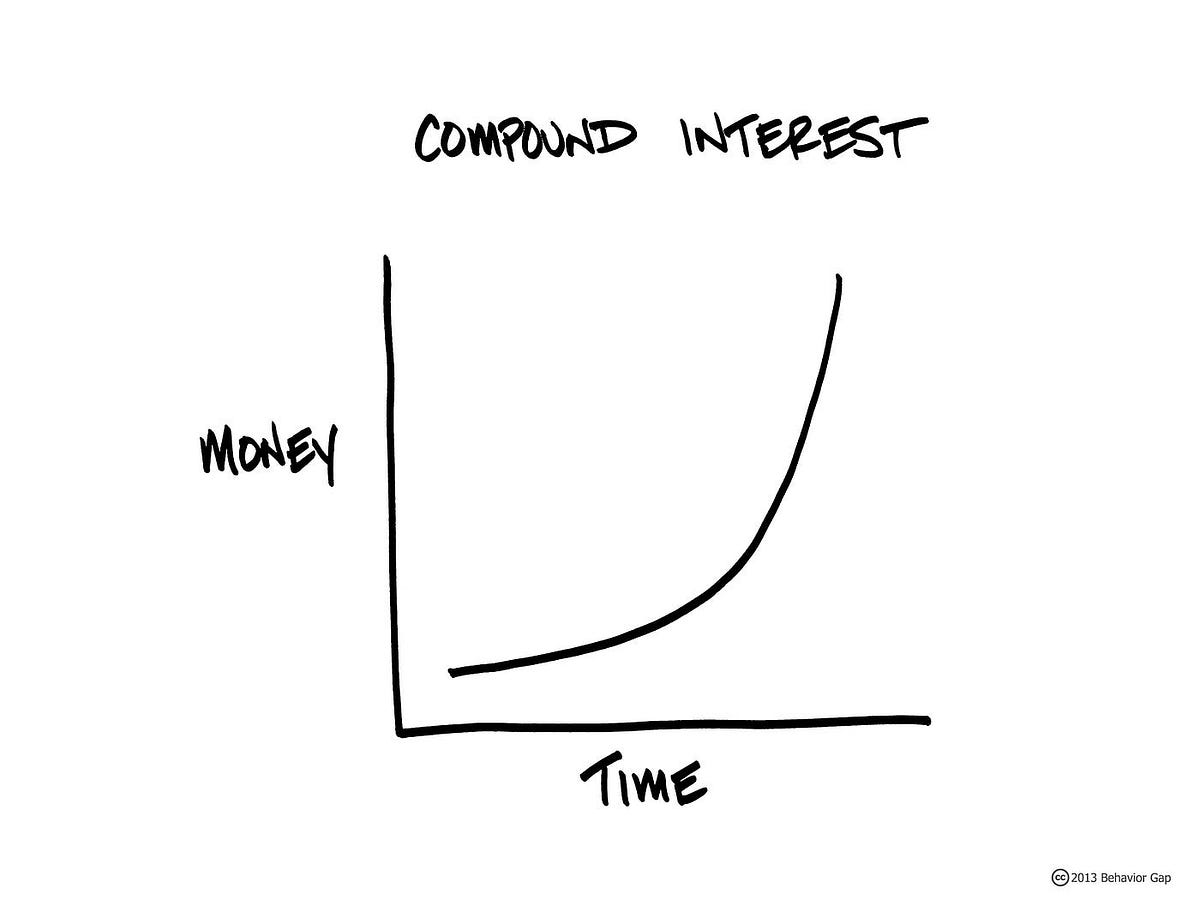
Finally, steady thinking embraces time. Strong businesses in growing industries rarely reach full potential quickly.
The longer capital compounds, the less investing resembles speculation and the more it resembles ownership. Endurance, not urgency, captures growth.

Closing Reflection
Steady thinking does not eliminate risk—it manages it. When uncertainty dominates behavior, disciplined frameworks outperform reactive decisions. By staying composed, informed, and patient, investors position themselves to benefit not in spite of volatility, but because of it.
Make money without lifting your fingers: Start using a world-class auto trading solution
- Broker
- Min Deposit
- Score
- Visit Broker

- Award-winning Cryptocurrency trading platform
- $100 minimum deposit,
- FCA & Cysec regulated

- 20% welcome bonus of upto $10,000
- Minimum deposit $100
- Verify your account before the bonus is credited


- Fund Moneta Markets account with a minimum of $250
- Opt in using the form to claim your 50% deposit bonus