Don’t invest unless you’re prepared to lose all the money you invest. This is a high-risk investment and you are unlikely to be protected if something goes wrong. Take 2 minutes to learn more
- Tiny crypto deposits can expose wallet activity.
- Dusting attacks target privacy, not your funds directly.
- Ignore suspicious transactions and never click their links.
A few tiny crypto deposits appearing in your wallet may look harmless. But if you did not send for them, they could be part of a scammer’s attempt to follow your transactions and learn more about your wallet activity.
This tactic is known as a dusting attack. It does not immediately give an attacker access to your funds, but interacting with the unwanted coins or following links attached to them can create bigger problems.
What Is Crypto Dust?
In cryptocurrency, “dust” simply means a very small amount of a digital asset.
With Bitcoin, for example, the smallest unit is called a satoshi, equal to 0.00000001 BTC. A dusting transaction may contain only a tiny amount of cryptocurrency—so small that the recipient may barely notice it.
The small size is part of the tactic.
Scammers can send these tiny amounts to large numbers of wallets and then monitor what happens afterward.
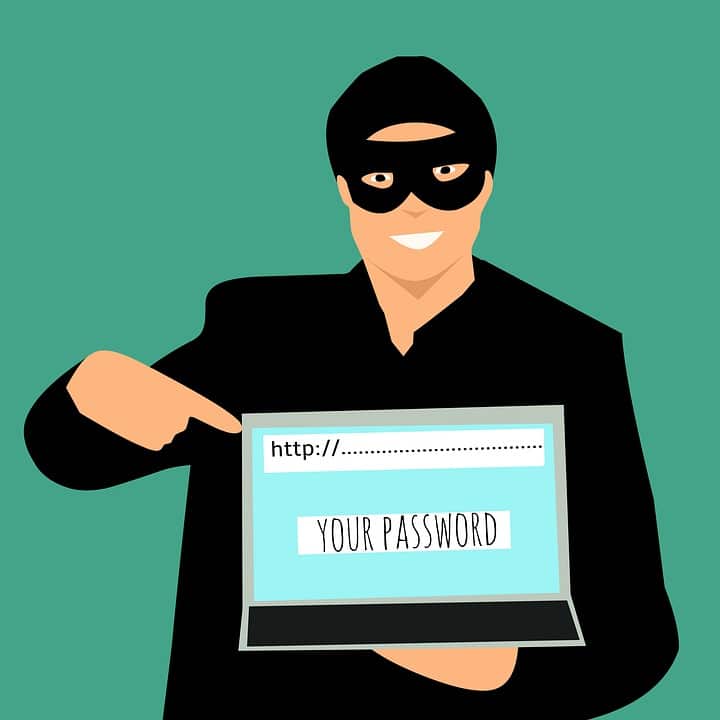
How Does a Dusting Attack Work?
The main objective of a dusting attack is often to reduce the privacy of a crypto wallet.
Blockchains such as Bitcoin record transactions publicly. Anyone can inspect wallet addresses and follow the movement of funds using a blockchain explorer.
A scammer can therefore send a small amount of crypto to multiple addresses and watch whether those funds later move together with other coins from the same wallets.
By analyzing these movements, an attacker may be able to establish connections between different addresses and build a clearer picture of a wallet owner’s activity.
The information could then be used to target the person with phishing attempts or other scams.
Some dusting attacks can also involve cryptocurrencies that support memo fields. An attacker may attach a message or suspicious link to a transaction in the hope that the recipient clicks on it.
This is particularly relevant to assets such as XRP and XLM, where memo fields are commonly used.
Dusting Attack vs. Address Poisoning
Dusting attacks are sometimes confused with address poisoning, but the two scams work differently.
A dusting attack primarily attempts to track wallet activity and reduce privacy.
Address poisoning is designed to trick you into sending your money to the wrong address.
For example, a scammer may send a transaction from an address that looks very similar to one you regularly use. The attacker hopes that, when you later copy an address from your transaction history, you accidentally select the fraudulent one.
So while both tactics involve unsolicited transactions, their goals are different:
Dusting = tracking and identifying wallet activity.
Address poisoning = tricking you into sending funds to the attacker.
How Can You Recognize a Dusting Attack?
The biggest warning sign is an unexpected, extremely small crypto transaction that you did not initiate.
You may notice:
- A tiny amount of cryptocurrency suddenly appearing in your wallet.
- An unfamiliar small transaction in your transaction history.
- An unexpected memo containing a message or link.
- A transaction that encourages you to visit a website, claim an airdrop or take another action.
Receiving one of these transactions does not automatically mean your wallet has been hacked.
The important thing is what you do next.
Should You Be Worried?
Usually, simply receiving dust does not give the sender control over your wallet.
The transaction is already recorded on the blockchain, and the attacker cannot use the tiny deposit by itself to access your other funds.
The bigger danger comes from interacting with it.
Do not click suspicious links, respond to messages attached to transactions or attempt to “claim” unexpected rewards.
For cryptocurrencies that support address rotation, such as Bitcoin, Litecoin and Dogecoin, using a new receiving address for different transactions can also make it harder for outsiders to connect your transactions together.
How to Protect Yourself
The safest approach is simple: don’t interact with unexpected crypto deposits.
If you notice suspicious dust in your wallet:
- Ignore unsolicited small transactions.
- Don’t click links contained in transaction memos or messages.
- Don’t send the dust back to an unknown address.
- Use fresh receiving addresses when your wallet supports them.
- Never share your wallet’s recovery phrase or private keys.
- Monitor your wallet regularly for unusual activity.
- Hide suspicious dust tokens from your portfolio view if your wallet allows it.
Most importantly, remember that no legitimate wallet provider needs your recovery phrase to help you secure your account. Anyone asking for your 24-word recovery phrase should be treated as a potential scammer.
Dusting transactions are difficult to prevent because public blockchains allow anyone to send assets to an address. But receiving dust does not mean you have lost control of your wallet.
The real protection comes from recognizing the transaction, leaving it alone and avoiding anything that attempts to turn a tiny unsolicited deposit into a much bigger security problem.
- Broker
- Min Deposit
- Score
- Visit Broker

- Award-winning Cryptocurrency trading platform
- $100 minimum deposit,
- FCA & Cysec regulated

- 20% welcome bonus of upto $10,000
- Minimum deposit $100
- Verify your account before the bonus is credited


- Fund Moneta Markets account with a minimum of $250
- Opt in using the form to claim your 50% deposit bonus
Learn to Trade
Never Miss A Trade Again

Signal Notification
Real-time signal notifications whenever a signal is opened, closes or Updated

Get Alerts
Immediate alerts to your email and mobile phone.

Entry Price Levels
Entry price level for every signal Just choose one of our Top Brokers in the list above to get all this free.