Don’t invest unless you’re prepared to lose all the money you invest. This is a high-risk investment and you are unlikely to be protected if something goes wrong. Take 2 minutes to learn more
- Chinese AI firms are closing the performance gap with US rivals.
- DeepSeek’s cheaper models could pressure US AI valuations.
- Falling AI prices may challenge the investment boom.
For the past few years, artificial intelligence has been more than a technology story. It has become one of the biggest forces supporting US economic growth, corporate spending and stock-market performance.
From major technology companies developing increasingly powerful AI models to the construction of massive data centers needed to run them, billions of dollars are flowing into the sector. That spending is also spreading into the wider economy, lifting demand for everything from semiconductors and servers to steel, concrete, cooling systems and electrical equipment.
But there is a growing question behind this investment boom: what happens if cheaper Chinese AI models can deliver similar performance?
That question is becoming harder for investors to ignore.
What Is Happening?
The US AI boom has created an enormous investment cycle. Technology companies are spending heavily on computing infrastructure, while data-center developers are racing to build the capacity required to support the next generation of AI models.
The scale of that spending has become large enough to offset weakness in some traditional areas of construction, including office buildings. Some analysts estimate that AI-related investment could now account for roughly one-third of US economic growth.
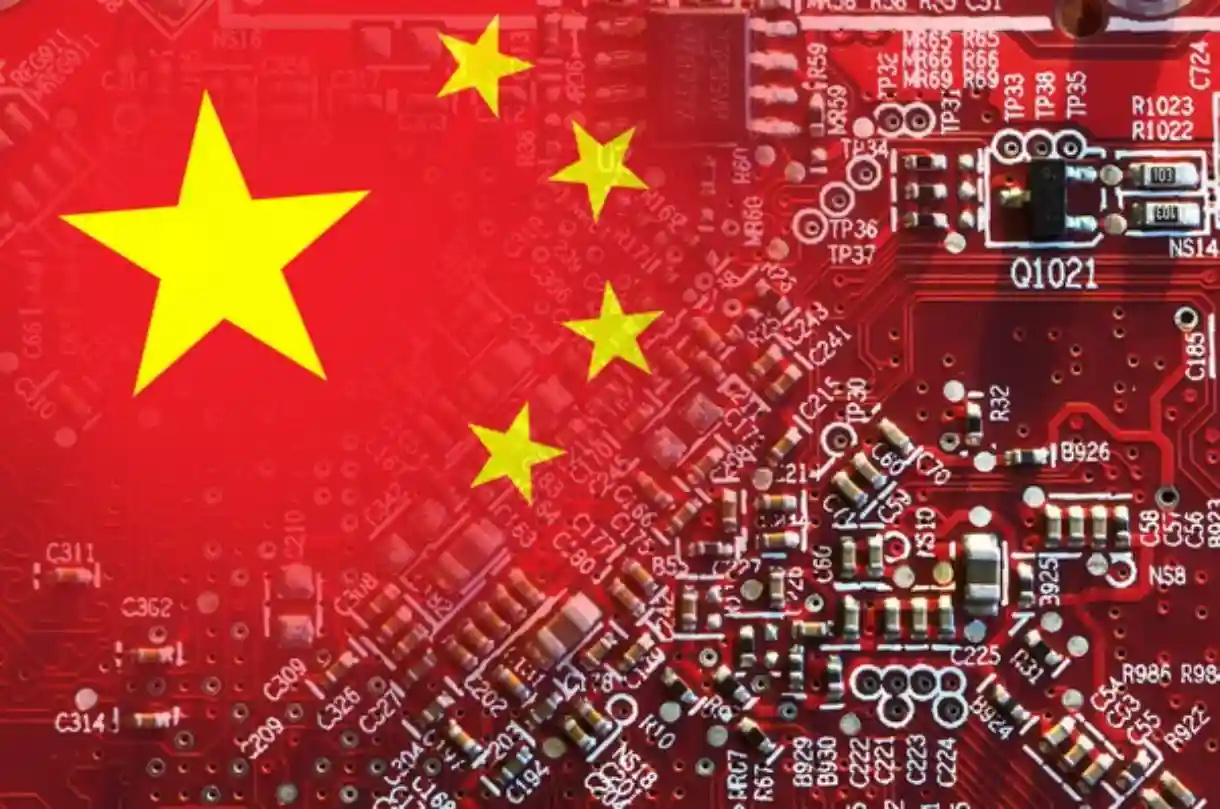
That has created opportunities well beyond the technology sector.
Chip manufacturers, equipment producers, construction companies and other suppliers have all benefited from the demand generated by the AI buildout. Their rising valuations, however, have also raised concerns about whether expectations have moved too far ahead of reality.
There is another risk emerging from China.
Chinese AI companies appear to be closing the performance gap with their US competitors while offering their models at dramatically lower prices.
DeepSeek, for example, recently introduced its V4 Flash coding model, with early tests suggesting performance close to leading models from Anthropic. Around the same period, Moonshot AI’s Kimi K3 also reportedly delivered results competitive with some of the industry’s strongest systems.
The important point is not simply that Chinese models are becoming more capable.
They are becoming cheaper at the same time.
The Pricing Problem
This could become one of the biggest challenges for US AI companies.
DeepSeek’s V4 Flash has reportedly been priced at around $0.28 for an equivalent amount of output that could cost about $25 with Anthropic’s Opus 4.8.
That is an enormous price difference.
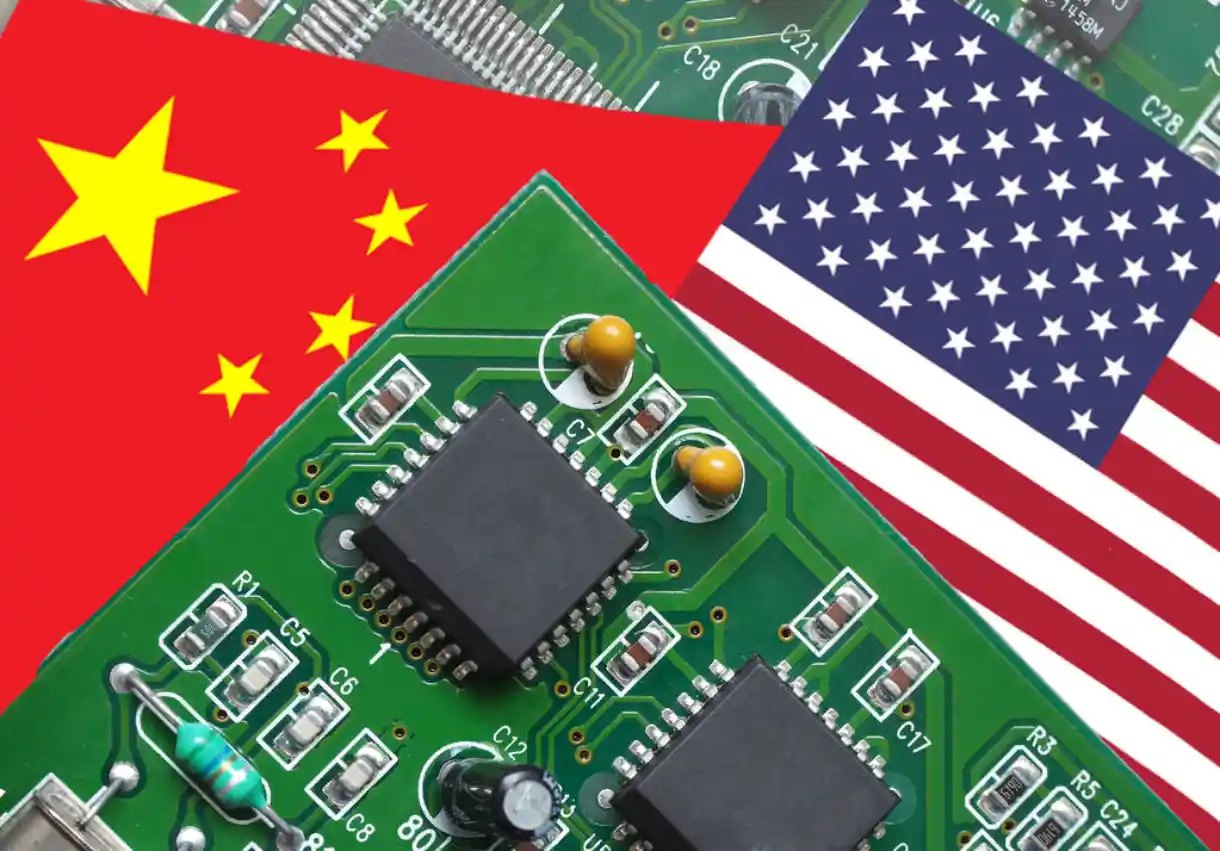
OpenAI has also been cutting prices as competition intensifies. Its GPT-5.6 Luna model reportedly saw an 80% price reduction only weeks after launch, bringing its cost to about $1.20 for the same amount of output compared with $0.28 for DeepSeek’s model.
The numbers suggest that AI competition may increasingly become a battle over cost as much as capability.
For investors, that distinction matters.
The current AI investment thesis assumes that companies spending heavily on models, chips and data centers will eventually generate enough revenue to justify those enormous investments.
But if equally capable models become available at a fraction of the cost, customers may become less willing to pay premium prices.
That could put pressure on the revenue expectations supporting some of today’s high AI valuations.
Why China’s Strategy Matters
China’s approach to strategic industries provides another reason for investors to pay attention.
Over the years, Chinese companies have used large-scale production, government support and aggressive pricing to compete in industries ranging from steel and electronics to automobiles and rare-earth processing.
AI could become another major battleground.
If Chinese companies are willing to accept lower margins to gain market share, US companies could face a difficult choice: reduce prices and sacrifice profitability or maintain premium prices and risk losing customers.
Neither option is particularly comfortable for companies already spending enormous amounts on research and infrastructure.
There is also a potential problem with the assumption that US companies can simply dominate the premium end of the AI market.
That strategy depends on customers being willing to pay significantly more for the most advanced models. But if lower-cost competitors continue improving rapidly, the premium segment could also face pricing pressure.
What This Means for Investors
The biggest risk may not be that Chinese AI suddenly replaces US technology.
Instead, the threat is that falling AI prices undermine the economics of the entire investment cycle.
If AI becomes significantly cheaper to access, more companies may benefit from the technology. But the companies providing the underlying models could find it harder to generate the enormous profits investors currently expect.
That creates a potential mismatch.
The amount being spent on AI infrastructure is enormous, while the price customers may ultimately be willing to pay for AI services could be falling quickly.
Investors should therefore look beyond headlines about new and more powerful AI models.
The more important numbers may be AI pricing, customer demand, margins and the revenue generated from all that infrastructure spending.
If Chinese competitors continue improving performance while maintaining dramatically lower prices, the US AI investment boom could face a new test.
The next phase of the AI race may therefore not be about who builds the most powerful model.
It could be about who can make AI cheapest without destroying their own profits.
- Broker
- Min Deposit
- Score
- Visit Broker

- Award-winning Cryptocurrency trading platform
- $100 minimum deposit,
- FCA & Cysec regulated

- 20% welcome bonus of upto $10,000
- Minimum deposit $100
- Verify your account before the bonus is credited

- Fund Moneta Markets account with a minimum of $250
- Opt in using the form to claim your 50% deposit bonus
Learn to Trade
Never Miss A Trade Again

Signal Notification
Real-time signal notifications whenever a signal is opened, closes or Updated

Get Alerts
Immediate alerts to your email and mobile phone.

Entry Price Levels
Entry price level for every signal Just choose one of our Top Brokers in the list above to get all this free.